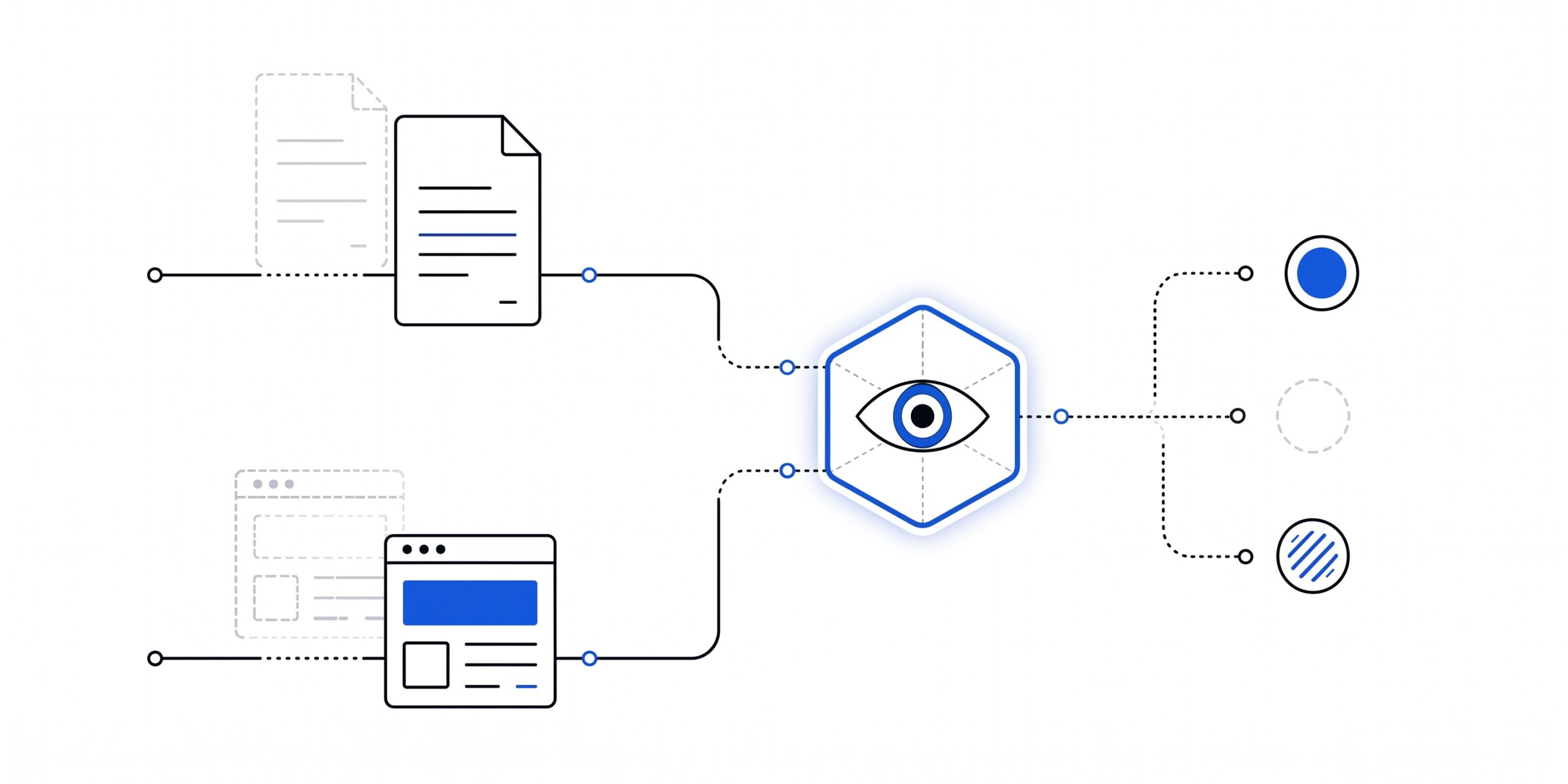
If your company uses AI and puts anything on a website, your legal pages sit between two things that keep moving.
The first is what you actually do with AI. The second is what the law asks of it. Your disclosures, your privacy statement, the line naming who is responsible: all of it is supposed to be the record that matches both. Most teams watch the law, never re-read the record, and find out during an audit that it describes a setup from two vendors ago.
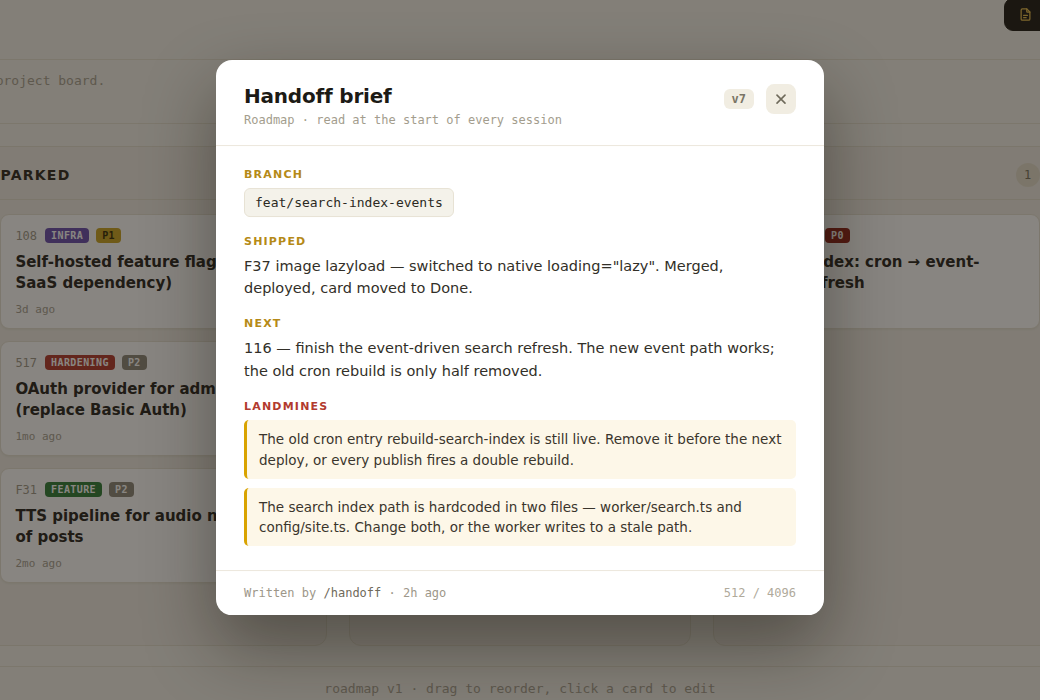
We ran into this ourselves. The AI Signal is our own AI-generated publication, and on the first of every month a small agent files a compliance brief on it, alongside a security monitor that watches the same site for a different class of problem. That brief was only half a system, and for three months running it printed compliant off a sentence nobody had checked. The missing half turned out to be the one that matters most for any company in this position. So here is what the working version checks, and why we would build it the same way for anyone else.
Two moving targets
Running AI in the EU means living between two things that both drift, on different clocks, for different reasons.
The first is what you do. A support chatbot goes on the homepage. A model gets wired into the product. Someone starts drafting copy with an assistant. A provider is swapped for a cheaper one. None of those feel like legal events. Every one of them carries a disclosure duty, a privacy statement, and a line naming who is responsible.
The second is the rulebook. Not only the AI Act, which at least arrives with a parliamentary paper trail. It is the vendor terms underneath: the consumer terms of your model provider, its acceptable use policy, its privacy policy, the automation rules of the platform you publish to. Those change quietly. There is no gazette, no announcement, often not even a changelog entry. A clause reads differently one Tuesday and nobody sends a letter.
Between them sits your own site. The disclosure in your footer. The transparency line on each page that uses AI. The statement naming the legal person who holds responsibility. The imprint link. Every one of those is a compliance artefact, and every one of them lives in a template that somebody, a person or an agent working for them, can edit at two in the morning during a redesign.
All three drift. None of them announce it. And the audit, if it comes, arrives long afterward.
What AI compliance monitoring actually does
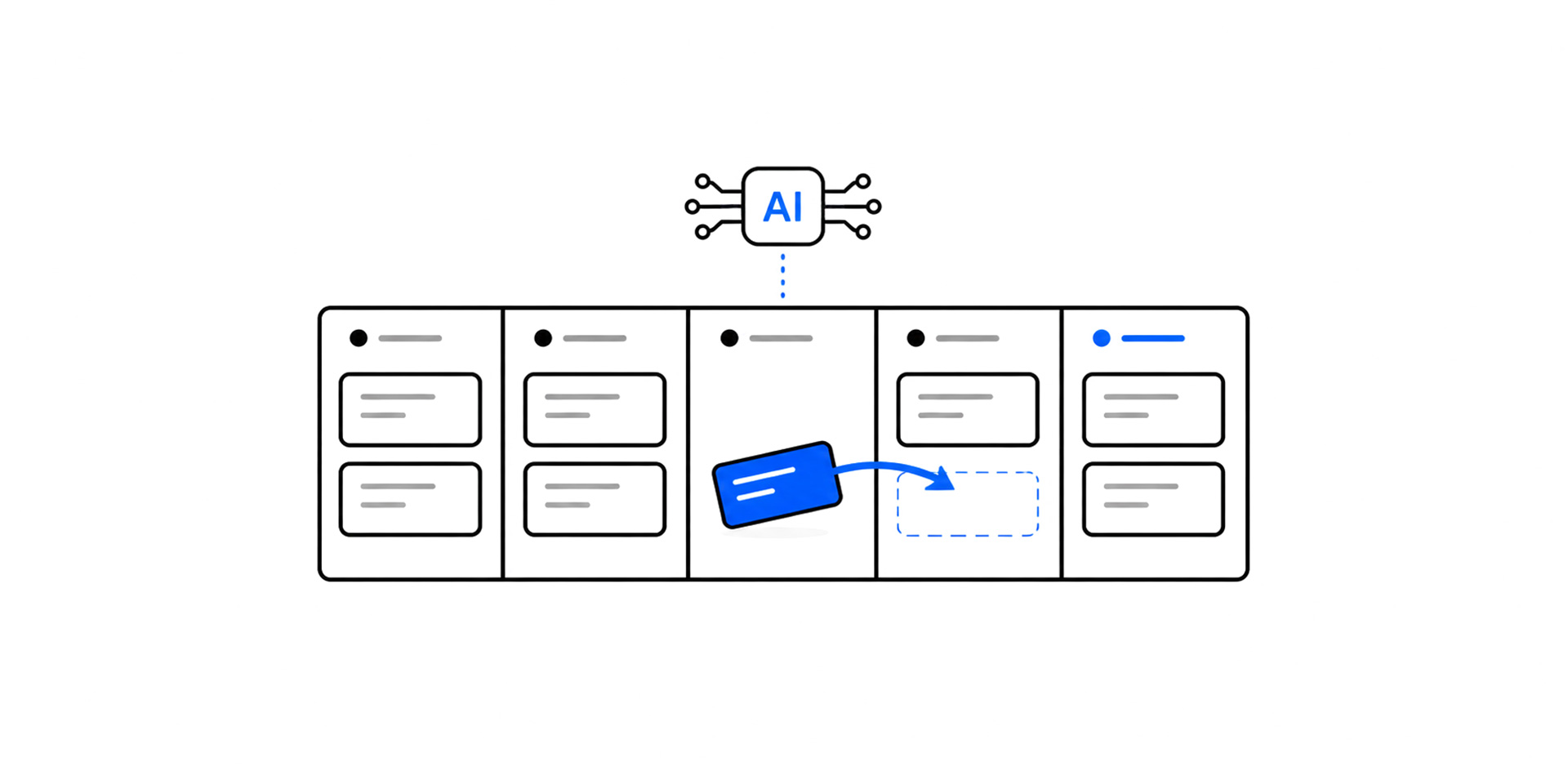
The rebuilt version has three parts, and only one of them is a language model doing what language models do.
It compares the documents you depend on. In our case seven of them: four contracts from the model provider, two platform policy pages, and the Austrian chamber’s AI Act guidance for businesses. Each one is fetched, reduced to its readable text, and compared line by line against the copy stored last month. The stored copies sit in version control, so the history is a real redline. You can ask what exactly changed in a contract between July and September and get an answer instead of an impression.
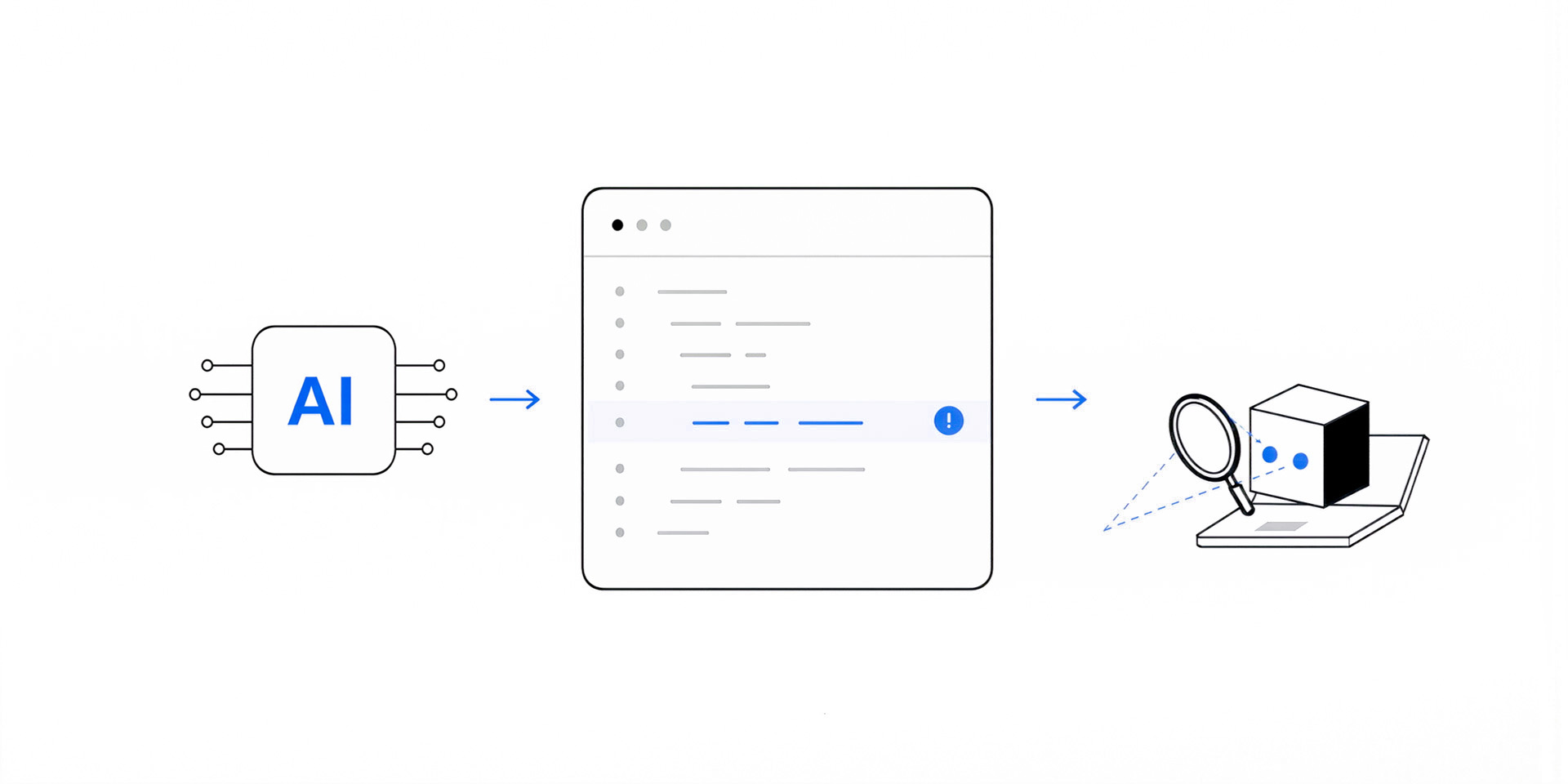
It checks your own pages. It loads the live site the way a regulator would, the homepage, the About page, and the newest article found through the site’s own feed rather than a local file, and it confirms that each required element is still present. The AI disclosure. The per-page transparency statement. The line naming the company as responsible. The non-affiliation statement. Then it follows the imprint and privacy links out of the rendered footer and confirms they still resolve.
And then it searches. Court rulings, new guidance, national implementation, the things whose existence you cannot know in advance and therefore cannot put on a watchlist. That part is open-ended and probabilistic, and it is labelled as such.
The split matters more than any single piece. Anything with a known address gets checked. Only the unknowable gets searched.
All of this shipped on 1 September. It runs unattended for the first time on 1 October, so the working version has an operating record of exactly zero briefs. Saying so is the same rule as the rest of the page: do not report on something you have not watched.
The half almost everyone forgets
Compliance monitoring is almost always sold as watching the law. That is the interesting half. It has case names and effective dates and something to put in a newsletter. But the law changing is rarely what puts an operator on the wrong side of a line. What does it is a template edit, six weeks earlier, that nobody connected to a legal obligation because it looked like a design change.
Our own first version had exactly this hole, and it was worse than a plain gap. The monthly brief contained a compliance cross-check that read like an inspection: a tidy list of areas, each marked compliant. It was reasoning over a description of the site. Part of that description was hardcoded text asserting that the About page carried the required statements. It never opened the page.
The defect was there from 15 April. It printed compliant in three consecutive briefs. We did not catch it by reading those briefs. We caught it by reading the code.
Delete the disclosure and the report would have kept printing compliant, in the same confident format, forever.
A monitor that reports on a description of your site rather than the site itself is not a weak monitor. It is checking something else and calling it your site.
“Unchanged” and “I did not look” are different answers
If we had to name the single design decision that carries the most weight, it is this one, and it sounds trivial written down.
Every check has three outcomes, never two. The element is present, the element is missing, or the page could not be read. A document is unchanged, changed, or not re-checked this month. And the summary line, the one a human actually reads, is only allowed to say everything is fine when everything was genuinely examined.
That sounds like pedantry until you watch the failure it prevents. One of the platform policy pages we monitor blocks our server outright. The system falls back to an archived copy, which is honest, but an archived copy compared against itself will report no change forever, with complete confidence, while the live page does whatever it likes. So the system now says: I did not see this document this month, here is why, and nothing I am telling you overrules other evidence about it.
Most monitoring cannot tell you the difference between nothing happened and I was not looking. Those are opposite states dressed identically, and the second one is the dangerous one, because it builds up silently and looks like a clean bill of health the whole time.
Do not trust the timestamp
Every legal page on our provider’s site carries a last updated date in its markup. It is tempting to use it. It is structured, it is machine-readable, it is right there. It is also the same value on the terms of service, the acceptable use policy, and the privacy policy, identical to the second, because it is a site build timestamp. Three unrelated legal documents cannot be revised in the same second. Once you see it, the tell is obvious.
Trust that field and you get a confident alert about a change that did not happen. Meanwhile a real amendment, one that moved a government-disclosure standard from as required by law to a good-faith belief, sat live for two months without producing a single search result, because nobody wrote an article about it.
So the only date worth citing is the one the document renders about itself, and the only proof of change is a diff of the text. Everything else is a proxy, and proxies fail in the direction that flatters them.
What it does not do
It does not give legal advice, and the briefs do not pretend to. Findings carry the basis they rest on, so a human can check the reasoning rather than accept the conclusion. It does not watch the whole legal landscape; it watches a specific list you chose, plus whatever search turns up. It will not catch a change to a document you never added. And a page that changes shape can defeat its own check, in which case it says so and stops rather than guessing.
Stating the boundary is not a disclaimer.
A monitor whose scope you cannot describe precisely is one you cannot rely on precisely.
Why this is not only a publisher’s problem
We built this for an AI publication, but nothing about it is specific to publishing. Any company that uses AI and has a website carries the same problem, and most carry it without knowing.
The reassuring part is how ordinary the solution is. It is a scheduled job, some careful handling of text, and a firm rule that one word is never allowed to stand for two different states of the world. The sophisticated-looking version, the one that summarised search results into a confident monthly verdict, is the one that was quietly wrong. The plain version is the one that holds.
Write down every place AI touches your business. Then open your privacy policy and count how many of them it knows about.
That is the kind of thing we build.